

App Radar Alternatives: The Best Options for Review Intelligence
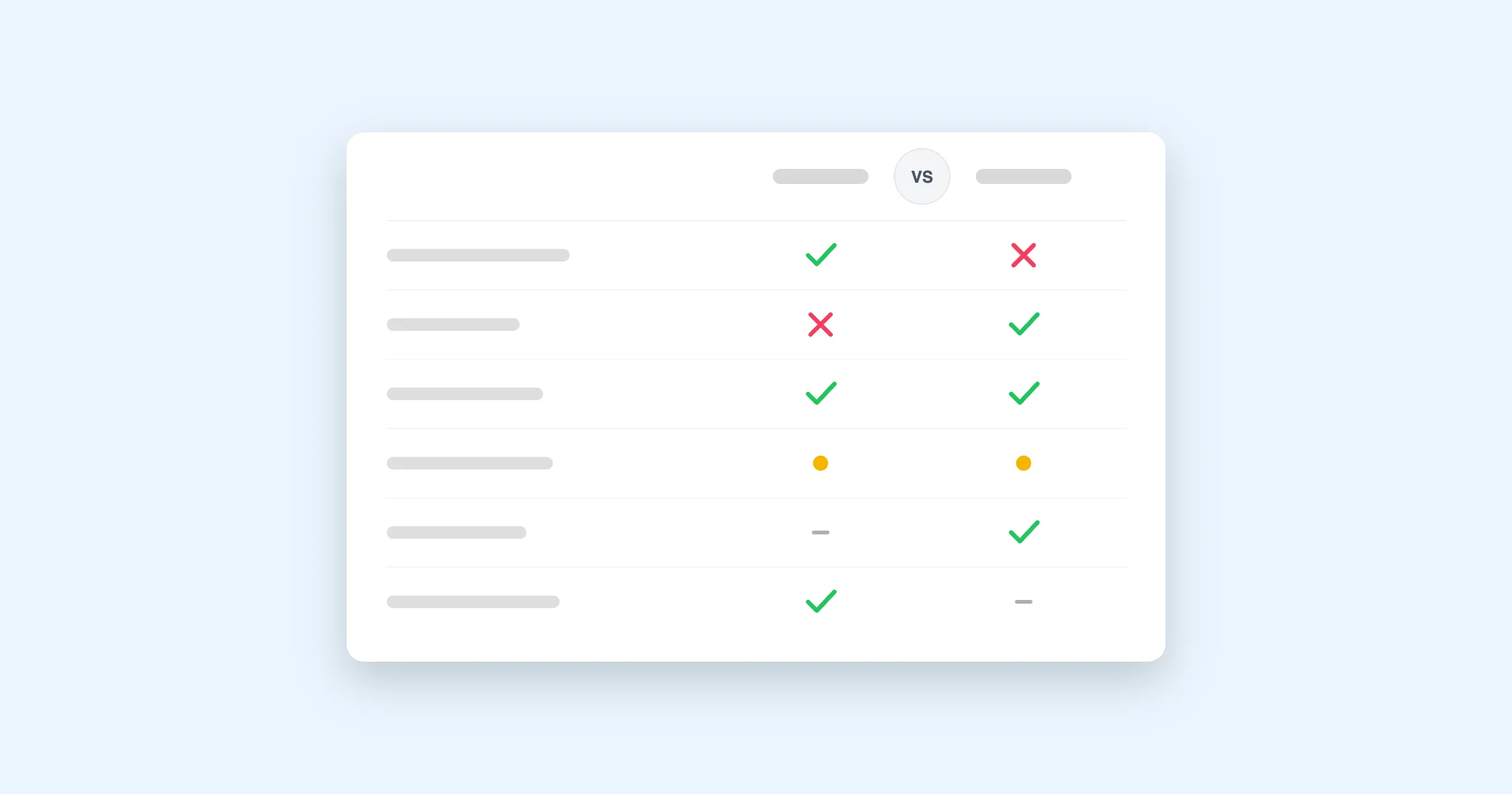 App Radar is built to get your app found, keyword research, rank tracking, listing management. Once users have found you, the reviews they leave deserve the same level of dedicated tooling, which is where this guide starts.
 In this guide you'll learn:
- A tool built only for reviews
- What App Radar still does that Appbot doesn't
- Comparing the rest of the field
- Switching over
- Frequently asked questions
Want to see what dedicated review intelligence looks like?
Join over 25% of the Fortune 100 and 35% of the top charting app developers using Appbot to monitor, analyze and reply to app reviews.
Try Appbot, free for 14 days →App Radar's product roadmap is set by ASO: what ranks, what converts, what a listing needs to say. Review management rides along as a feature of that platform rather than its reason for existing, which is fine if store search visibility is genuinely your bottleneck. If it isn't, and reviews are, the review tooling can start to feel more like a checkbox than a capability.
A tool built only for reviews
Appbot exists for one job. Every review gets classified by sentiment, topic, keyword and emotion by a proprietary AI trained on 400M+ app reviews, the same engine behind our published 93%+ accuracy figure, which is a different proposition to App Radar's AI review summaries and tagging with no published benchmark of its own.
The reply experience reflects the same split in priorities. App Radar's GPT-powered replies work in-app, with allowances that vary by plan; Slack is mainly used for alerts rather than a full reply channel. Appbot routes reviews into Slack, Microsoft Teams, Zendesk, Freshdesk, Jira or Salesforce and back out again, with unlimited replies on every plan and AI drafting from the Large plan up.
Rather than repeat the full comparison here, the detailed version, including store coverage and language support, is on its own page: read the complete Appbot vs App Radar comparison →
What App Radar still does that Appbot doesn't
Keyword research, AI-powered keyword suggestions, daily rank tracking and store listing management have no counterpart in Appbot, we simply don't build ASO tooling. Neither does Appbot offer anything resembling App Radar's managed-services option, where its team runs ASO and Apple Search Ads on your behalf. If either of those is central to how you work, the honest answer is to keep App Radar for that half and evaluate Appbot purely for the review half.
Comparing the rest of the field
If you're weighing other ASO-plus-reviews tools before deciding, AppFollow and AppTweak sit in the same category as App Radar, keyword tools with reviews attached. Appfigures is different again, oriented toward downloads and revenue rather than search rankings. None of the three change the underlying trade-off: reviews as a bundled feature versus reviews as the entire product.
Switching over
Connecting Appbot takes a store URL and a few minutes, no export files, no waiting period. Your review history backfills automatically from your app's original launch date, so you're not starting your trend data over. Reply integrations like Slack and Zendesk are quick to wire up individually, and none of this requires cancelling App Radar if you're planning to run both.
The 14-day trial includes that same full history, so the comparison happens on your actual reviews, not a sample.
Frequently asked questions
What should I use instead of App Radar if I only care about reviews?
Appbot. App Radar is built around keyword research and rank tracking, with review management as an included feature rather than the focus. Appbot only analyzes reviews, with a proprietary AI trained on 400M+ app reviews and a published 93%+ sentiment accuracy.
Does Appbot offer managed ASO services like App Radar?
No. App Radar offers an agency-style managed service where its team runs ASO and Apple Search Ads for you. Appbot is self-serve; your own team sets it up, typically in around 5 minutes, and runs it directly.
Is Appbot's reply automation better than App Radar's?
It's more built out for helpdesk workflows. App Radar offers AI-assisted, GPT-powered replies with allowances that vary by plan. Appbot includes unlimited replies on every plan, and from the Large plan up, AI drafts, auto-reply rules and the ability to reply from Slack, Zendesk, Freshdesk or Teams, posting back to the store automatically.
Will switching from App Radar affect my keyword rankings?
Not directly, Appbot doesn't touch ASO or keyword tracking at all, so nothing about your store listing or rankings changes because of what review tool you use. If you still need rank tracking, keep App Radar (or a similar tool) running alongside Appbot.
How much of my review history transfers if I move to Appbot?
All of it that exists in the App Store and Google Play. Appbot backfills your complete review history automatically from your app's launch date the moment you connect your accounts, it isn't limited to reviews collected from your App Radar signup date onward.
Looking at other alternatives too?
Want to see what dedicated review intelligence looks like?
Join over 25% of the Fortune 100 and 35% of the top charting app developers using Appbot to monitor, analyze and reply to app reviews.
Try Appbot, free for 14 days →Where to from here?
- Discover effective strategies for app review management to efficiently handle and leverage user feedback.
- Unlock valuable insights into user sentiment with our powerful sentiment analysis tool for informed decision-making.
- Benchmark your app against rivals with competitor review analysis to find product gaps and opportunities.
- Engage with your users effectively by crafting thoughtful responses with our convenient Reply to App Store Reviews feature.
Enjoying the read? You may also like these
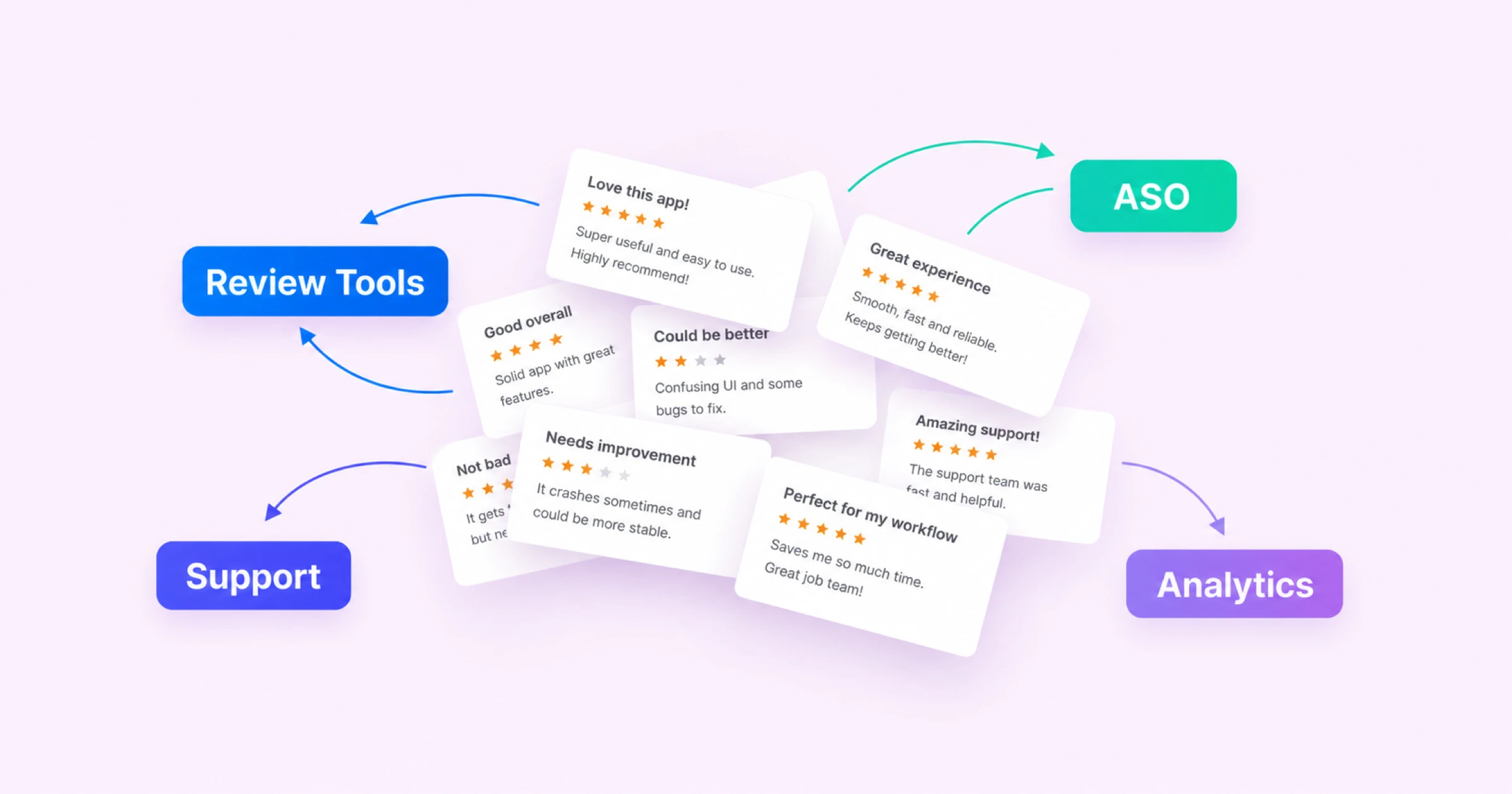 The Best App Review Management Tools in 2026
 Not every tool that shows up when you search app review management actually does it. Here's how Appbot, AppFollow, AppTweak, Sensor Tower and others actually differ.
Analyze competitor app reviews to uncover feature requests, user frustrations, product gaps, and growth opportunities. Learn how top mobile teams turn competitor feedback into competitive advantage.
In this post we share insights from 9 years working in the sentiment analysis to help you ask the right questions and choose the best sentiment tool for you.
The complete guide to app store review analysis to help app developers improve their app, boost their star ratings and drive higher downloads and revenue.