

The New Era of App Discovery: What App Growth Teams Need to Know About ASO, SEO & AI
Published 6th January, 2026 by Claire McGregor App discovery is changing faster than most teams realise and many apps are becoming invisible as a result. For years, growth teams relied on App Store Optimization (ASO) to improve rankings within Apple and Google’s ecosystems by adjusting keywords, testing screenshots, and refining descriptions. Now, AI tools like ChatGPT, Gemini, and Copilot are starting to recommend apps directly based on the language used in your app’s description, reviews, and updates. This shift means your app’s written content is no longer just about App Store visibility. It is about how well AI models understand and surface your app when users ask for recommendations. For app marketers and growth teams, every word on your app page now plays a role in discoverability, trust, and conversion.
 In this overview you'll learn:
- The Apple App Store Is Now on the Web
- Why This Matters for App Growth and User Acquisition
- How to Optimize App Store Copy for App Growth, SEO, and AI Discovery
- Why Reviews Matter More Than Ever
- ASO, SEO, and AI Discovery Are Now One System
- Final Thoughts

Want to generate best-practice review replies in seconds?
Try Appbot AI Replies, free for 14 days →The Apple App Store Is Now on the Web
Apple has made a major shift that directly impacts app marketing, growth strategy, and user acquisition. The App Store is now fully browsable and indexable on the web.
Unlike Google Play, which has offered full web listings for years, Apple’s App Store was historically difficult for search engines and discovery tools to read. ASO largely lived inside the App Store, isolated from broader SEO and content marketing efforts.
That has changed. The Apple App Store is now searchable by traditional search engines, shareable across devices, and readable by AI large language models like ChatGPT, Gemini, and Copilot.
While Google Play has been SEO-friendly for some time, Apple’s move is more impactful for many teams because iOS users historically convert more and spend more. Previously, Apple apps had limited visibility on the open web. Now, iOS app descriptions and release notes can directly influence search rankings and AI recommendations.
Why This Matters for App Growth and User Acquisition
With both major app stores fully available on the open web, ASO and SEO now operate as a single system. What used to be separate disciplines have merged. App Store copy no longer affects only in-store search. It now shapes how your app appears across Google Search results and AI-driven recommendations.
Descriptions that once prioritised short, punchy marketing language must now be clear, structured, and semantically meaningful. Release notes that were treated as optional or casual now influence trust, perceived maturity, and ongoing relevance.
Discovery no longer relies solely on browsing the App Store. It often happens before users ever reach the store, through search engines and AI LLMs and assistants.
If your copy does not match real user language, your app will not rank and it will not be recommended. A useful way to think about this shift is to treat your App Store page as three things at once:
- a conversion-focused landing page
- a search document for SEO and ASO
- a training input for AI recommendation systems
If it fails at any one of those roles, discoverability suffers.
How to Optimize App Store Copy for App Growth, SEO, and AI Discovery
Optimizing App Store copy is no longer just about keywords. It is about helping both humans and machines clearly understand what your app does, who it is for, and why it is useful.
Write clear, user centered value messaging
Avoid branded buzzwords or vague positioning. Focus on problem, solution, and outcome.
Generic: “A revolutionary wellness platform designed to inspire meaningful personal transformation.”
Problem / Solution: “A mental wellness app designed for people who struggle to maintain daily habits. Includes guided check ins, mood tracking, and supportive reminders to help build consistency.”
Specific language helps users quickly self qualify and gives search engines and AI systems a clearer relevance signal.
Use real user language, not marketing language
AI models and search engines do not respond well to invented terminology or abstract claims. They perform best when your copy reflects the same language users use to describe their problems and goals.
Your most valuable keywords often already exist in your reviews. Users naturally explain what they were trying to solve, how they use the app day to day, what alternatives they considered, and what outcomes they experienced.
This language is critical to discovery because it teaches search engines and AI systems when and why your app is relevant.
For example, a budgeting app whose reviews consistently mention splitting rent, tracking shared expenses, and roommates is far more likely to be recommended when a user asks an AI assistant for help managing shared finances. That language teaches AI systems when and why your app is relevant.
Turning Review Language Into Action at Scale
As review volume grows, identifying patterns in user language becomes increasingly difficult. Reading feedback one review at a time does not scale, and important signals are easy to miss.
Appbot helps teams analyze review language across thousands of reviews by surfacing recurring topics, feature mentions, sentiment shifts, and emerging use cases.
Topic analysis highlights the words and phrases users repeat most often. Custom topics allow teams to track concepts that matter most to their business, such as a new feature, a niche use case, or comparisons to competitors.
This makes it easier to align App Store descriptions, release notes, and screenshots with how users actually describe the app, strengthening relevance across ASO, SEO, and AI-driven discovery.
For a step-by-step guide, see our support article on how to use Appbot’s review analysis for ASO, SEO, and AI discovery .
Structure your description for machines and humans
Large language models do not just read text. They analyze structure and clarity. Well-structured App Store descriptions improve search engine indexing, AI comprehension and summarization, and user scannability and conversion.
- A clear opening paragraph explaining who the app is for
- Bullet points for core features and use cases
- Plain language explanations instead of slogans
- Consistent terminology throughout the page
If an AI LLM cannot understand and explain what your app does in one clear sentence, your copy likely needs work.
Release notes are now a discovery signal
Release notes were once treated as optional or purely customer-facing. That is no longer true.
Because App Store pages are now indexable and readable by AI systems, release notes act as ongoing freshness and relevance signals. They help search engines and AI models understand how actively an app is maintained and how its capabilities are evolving.
Strong release notes explain what changed, why it matters, and who benefits. Vague updates like “Bug fixes and improvements” add little value for users, search engines, or AI systems.
Why Reviews Matter More Than Ever
Reviews are the most honest, current, and user-centric content on your App Store page.
- repeated phrases reinforce keyword relevance
- reviews validate the claims made in your description and screenshots, improving trust and conversion
- they explain real-world usage patterns that help AI systems understand when and why your app should be recommended
When AI tools suggest apps, they look for consistency across descriptions, ratings, and reviews to determine whether an app genuinely solves a user’s problem.
ASO, SEO, and AI Discovery Are Now One System
The line between App Store Optimization and Search Engine Optimization no longer exists. Today, app discovery happens across App Store search results, Google Search, AI assistants and recommendation tools, and shared App Store links across devices.
All of these systems rely on the same foundation: clear language, consistent messaging, and real user feedback.
Final Thoughts
App discovery is no longer confined to the App Store. Your app page now lives on the open web and inside AI recommendation engines. That means every word matters, not just for conversion, but for whether your app is discovered at all.
Winning teams do not treat app copy as static. They revisit it regularly, align it with real user language, and use sentiment and topic insights as continuous inputs into discovery strategy.
As search, app stores, and AI continue to converge, the teams that connect ASO, SEO, reviews, and product messaging will be the ones that win.
Want to generate best-practice review replies in seconds?
Try Appbot AI Replies, free for 14 days →Where to from here?
- Discover effective strategies for app review management to efficiently handle and leverage user feedback.
- Unlock valuable insights into user sentiment with our powerful sentiment analysis tool for informed decision-making.
- Simplify your review tracking process with our efficient review aggregator, providing a centralized view of user feedback.
- Engage with your users effectively by crafting thoughtful responses with our convenient Reply to App Store Reviews feature.
About The Author

Claire is the Co-founder & Co-CEO of Appbot. Claire has been a product manager and marketer of digital products, from mobile apps to e-commerce sites and SaaS products for the past 15 years. She's led marketing teams to build multi-million dollar revenues and is passionate about growth and conversion optimization. Claire loves to work directly with the world's top app companies delivering tools to help them improve their apps. You can connect with her on LinkedIn.
Enjoying the read? You may also like these
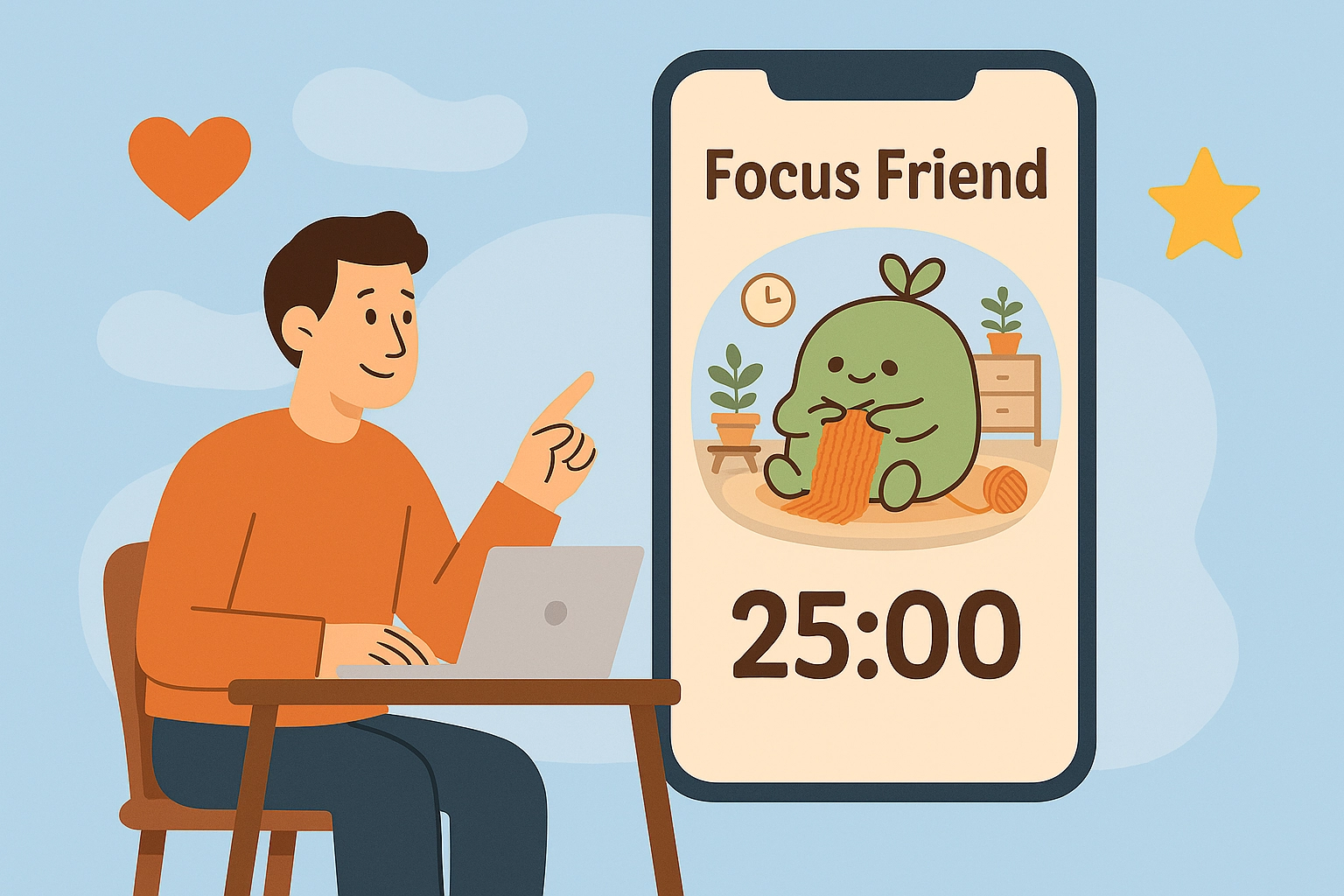 How Hank Green's Focus Friend App is Winning Hearts (and Ratings)
 Discover how Hank Green’s Focus Friend app is winning over users with its cozy design, emotional resonance, and sky-high ratings. A deep dive into what’s driving its viral success.
Apple’s Offer Codes let iOS developers run free or discounted subscription campaigns, but they come with rules and risks. Learn how Offer Codes work, what Apple’s latest update clarifies, and how to use them strategically for app growth.
Learn how Apple’s Product Page Optimization lets you A/B test app store screenshots, videos, and icons to improve conversion rates and app installs.
Great app ideas don’t start with features - they start with solving problems. Learn how to uncover, validate, and act on everyday pain points that lead to successful apps.